2026 Architectural Metal Trends: What Contractors and Architects Should Expect This Year

January 14, 2026

As the construction industry continues to prioritize performance, durability, and modern design, architectural metal remains a top choice for exterior and interior applications. In 2026, contractors and architects can expect continued demand for custom fabrication, cleaner aesthetics, and fast production timelines. Explore the key trends shaping architectural metalwork this year, and how ASF is positioned to support them.

Increased Use of ACM Panels in Building Envelopes

Aluminum composite material (ACM) panels continue to grow in popularity for commercial façades and wall systems. Lightweight and durable, these panels offer clean lines and smooth finishes that suit both modern and traditional designs.


ASF fabricates ACM panels from top brands like ALPOLIC and ALUCOBOND, with capabilities to route, fold, and prepare panels for installation. Contractors rely on ASF for precise fabrication and fast lead times, especially for large-scale commercial builds.

Custom Profiles and Long-Fold Capabilities

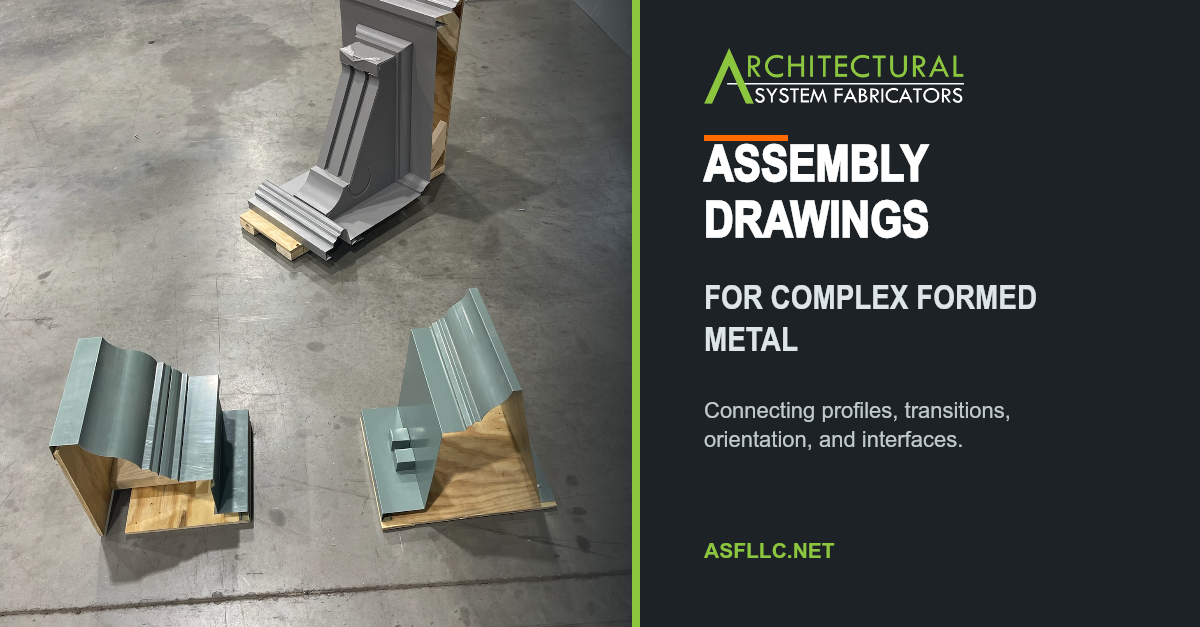
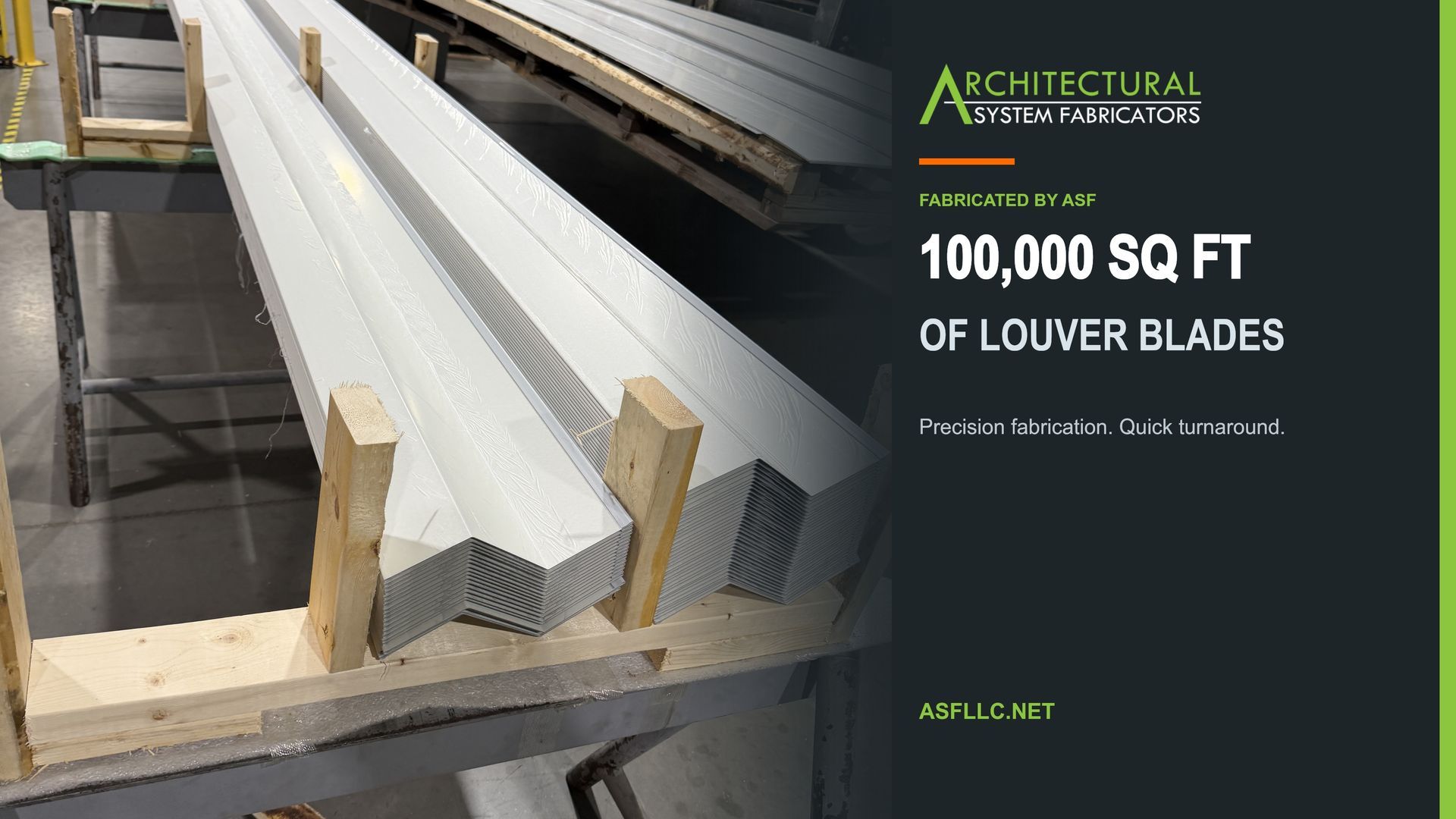
Architects are pushing for sleeker designs and longer uninterrupted panel runs. ASF’s long-folding machine — the only one of its kind in Connecticut — enables fabrication of metal components over 20 feet in length. This allows for longer trim pieces, copings, and cladding elements with fewer seams.


Custom profiles continue to be in high demand for detailing, water management, and unique visual features. ASF forms components in a wide range of metals, including aluminum, copper, zinc, and stainless steel.

Mixed-Material Wall Systems

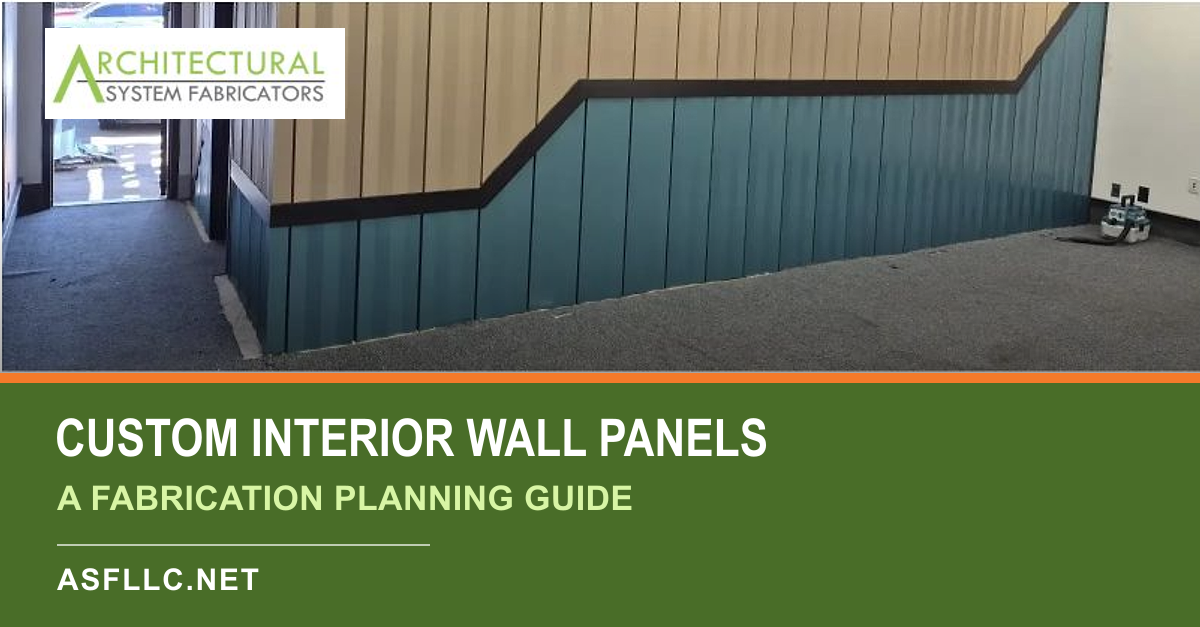
Designers are combining materials like fiber cement, metal, and wood-look panels to create contrast and texture. ASF supports this trend with CNC routing for fiber cement panels (such as EQUITONE), as well as cutting and shaping of HPL, ACM, MDF, and other architectural surfaces.


By offering CNC routing and panel fabrication in-house, ASF reduces coordination issues and speeds up delivery.

Faster Turnarounds With In-House Services

With project schedules tightening across the board, fabricators who can keep production in-house have a clear advantage. ASF’s investments in coil processing, laser cutting, and brake forming reduce reliance on outside vendors.


This means customers can expect shorter lead times, greater flexibility, and more control over last-minute design adjustments.

Focus on Performance and Longevity

Durability, weather resistance, and low maintenance continue to drive material choices. Pre-finished metals, factory-applied coatings, and post-painting options allow architects to specify materials that meet both performance and aesthetic requirements.


ASF works with customers to select materials that suit the environment and long-term needs of each project.

Partner With ASF for 2026 Projects

From precision-fabricated panels to complex trim profiles, ASF delivers architectural metal components built for today’s design and construction demands. Whether you’re managing a commercial façade upgrade or a ground-up build, ASF has the technology and experience to support your 2026 projects.


Contact us today to discuss your next project or request a quote.

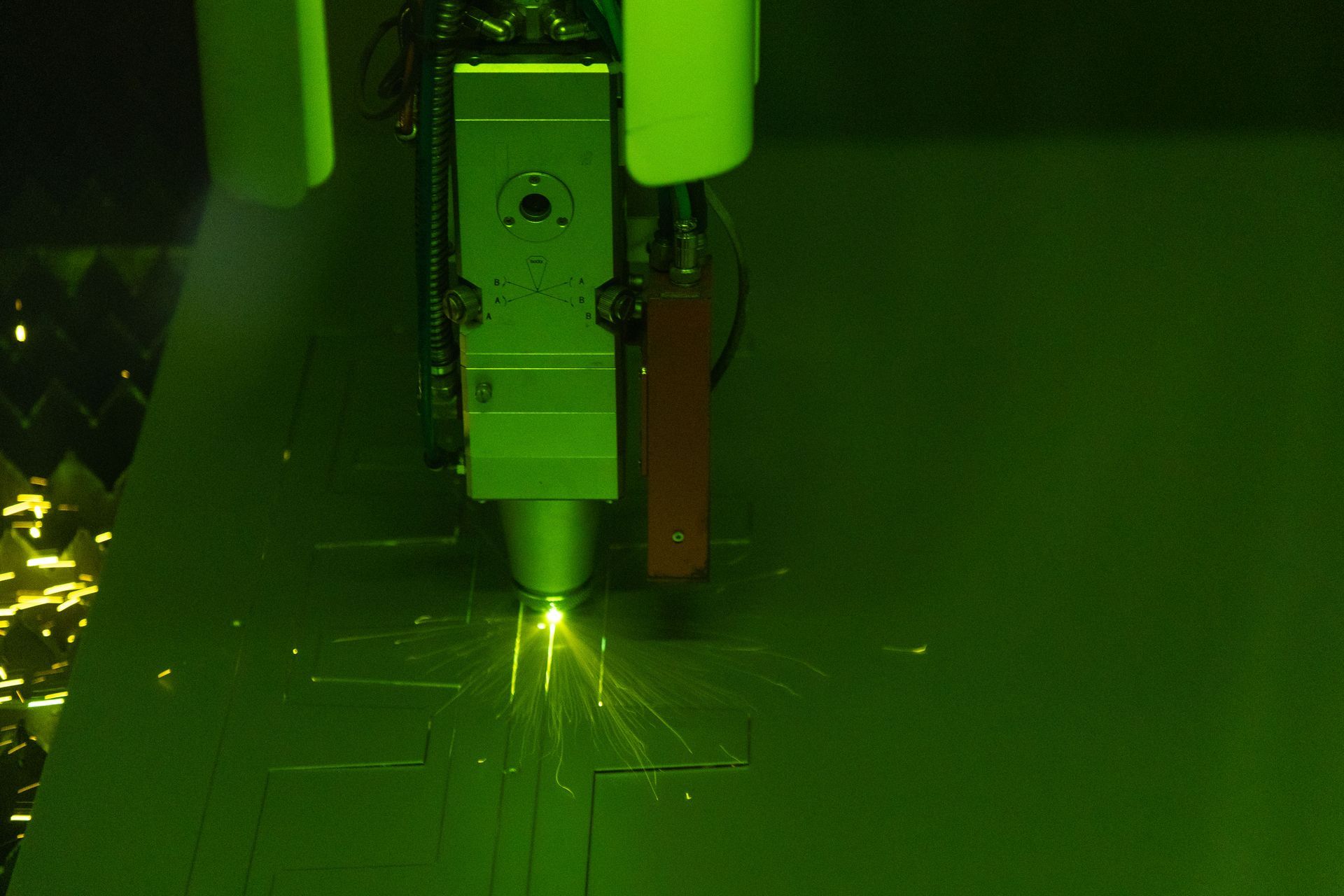
Laser cutter cutting metal sheet; sparks and green light visible.
January 14, 2026
ASF’s new laser cutting machine boosts speed and precision in architectural metal fabrication. Learn how it supports faster turnaround for 2026 construction projects.
Common Applications of Steel Coil Processing in Construction : Architectural System Fabricators LLC
August 22, 2023
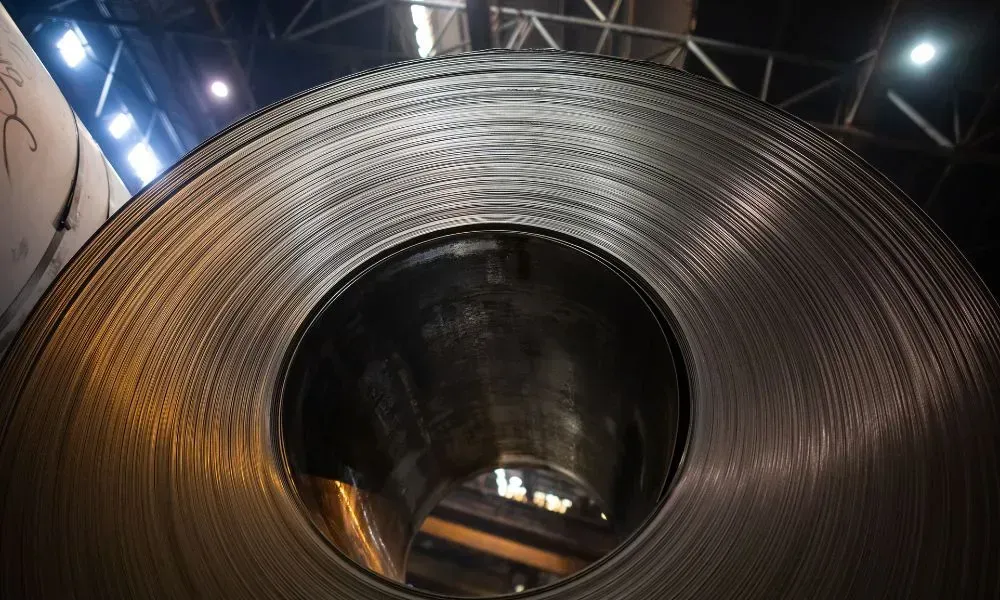
Fabricators transform large, rolled pieces of metal coils into products by shearing and cutting them to the appropriate sizes. Learn common applications of steel coil processing in construction to understand how this manufacturing process helps create sturdy and innovative structures.
What Are the Most Used Metals in the Construction Industry? : Architectural System Fabricators LLC
July 20, 2023
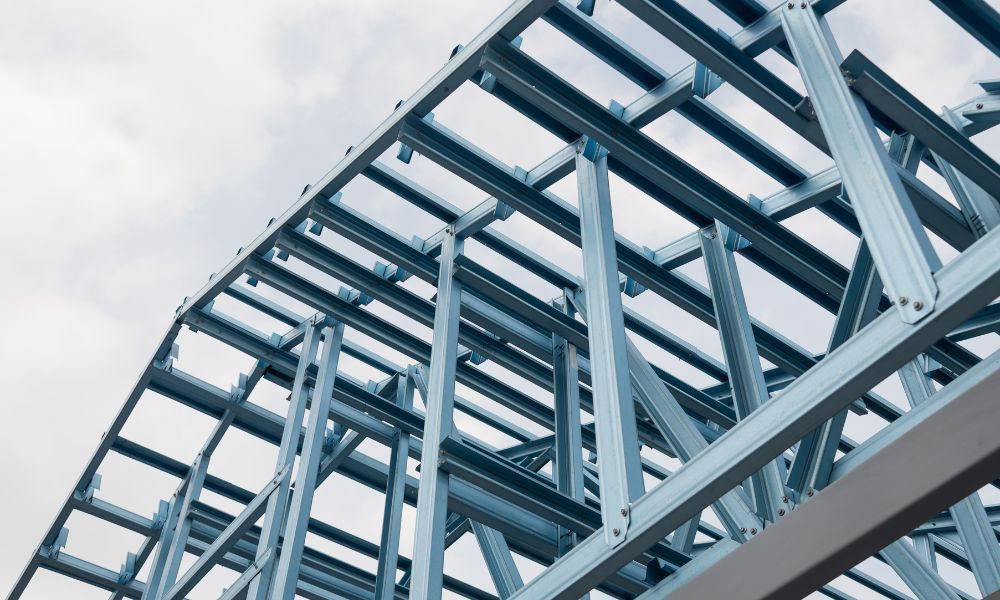
Durability, affordability, and ease of customization make metals an essential building material in construction. Each metal's unique characteristics make it suitable for structural support, protection, or decoration. Learn more about steel, aluminum, copper, and iron, the most used metals in the construction industry.
5 Things To Look For When Contracting a Metal Fabricator: Architectural System Fabricators LLC
June 8, 2023
The right metal fabricator can help you create high-quality, durable products that meet your needs and exceed your expectations. Here are five things to look for when contracting a metal fabricator.
4 Questions To Ask Your Custom Metal Fabricator : Architectural System Fabricators LLC
June 8, 2023
It’s possible to get a high-quality custom metal product created within your budget and deadline requirements. Find the best partner for your project by using these four questions to ask your custom metal fabricator.
Reasons Your Project Needs Custom Metal Fabrication: Architectural System Fabricators LLC
April 21, 2023
Sometimes, typical metal fabrication processes cannot achieve your project goals. But custom metal fabrication takes a specialized approach to create necessary components. Read on to learn about the top reasons your project needs custom metal fabrication.

What Machines Are Used in Metal Fabrication?: Architectural System Fabricators LLC
March 30, 2023
Fabricators use specialized machines and tools to stamp, cut, and bend sheet metal. These machines help produce components such as equipment attachments, car parts, gutters, appliances, and more. Read on to learn more about some of the heavy-duty machines used in metal fabrication.
Tips To Reduce Your Metal Fabrication Expenses : Architectural System Fabricators LLC
March 3, 2023
With thoughtful planning, you can save a lot of money on your next metal fabrication job without sacrificing quality or style. Use these tips to reduce your metal fabrication expenses .
What Are CNC Machines and How Do They Work? : Architectural System Fabricators LLC
March 3, 2023
Manufacturers who create components from metal, plastic, wood, ceramic, and composite materials use computer numerical control machines, commonly called CNC machines. CNC machines combine the precision of computers with the power of machining devices. Read on to discover what CNC machines are and how they work .
Show More